Building a Responsive English Website for Biotechnology Companies: A Strategic Guide to Research and Development
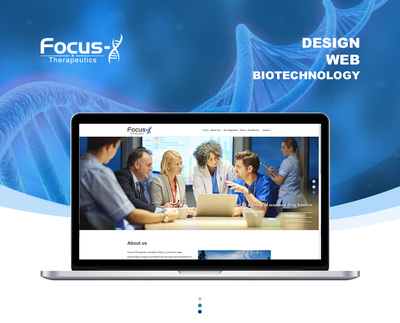
In today's digital-first world, a professional, informative, and accessible online presence is indispensable for biotechnology companies. A responsive English website serves as the global storefront, a recruitment hub, an investor relations portal, and a vital communication channel for the scientific community. For companies deeply engaged in research and development (R&D), the website must do more than just list services; it must articulate scientific vision, showcase innovation, and build trust. This article outlines the key components and strategic considerations for building an effective responsive English website tailored for biotech R&D firms.
1. Strategic Foundation: Defining Goals and Audience
Before development begins, clearly define the website's primary objectives. Is it to attract potential investors and partners? Recruit top-tier scientific talent? Engage with academic collaborators? Or disseminate research findings to a global audience? Typically, a biotech R&D site targets a multi-faceted audience: scientists, institutional investors, venture capitalists, potential industry partners, and job-seeking researchers. The content and architecture must cater to these diverse groups with tailored pathways.
2. Core Components of a Biotech R&D Website
- Homepage: The homepage should immediately convey the company's mission, core technology platform, and therapeutic or technological focus areas. Use compelling imagery (e.g., clean lab shots, microscopic visuals, data visualizations) and a clear value proposition.
- R&D Focus / Pipeline: This is the heart of the website. Present a clear, visually engaging pipeline graphic showcasing discovery, preclinical, and clinical-stage assets. Each program should have a dedicated page explaining the science, the unmet medical need, mechanism of action, and latest development status.
- Technology Platform: Detail the proprietary technologies that enable your research. Explain how your platform is innovative, scalable, and differentiated from competitors.
- Publications & Science: A dedicated section for peer-reviewed publications, conference presentations, and white papers underscores scientific credibility. This is critical for engaging the academic and scientific community.
- About Us / Leadership: Feature the scientific founders, key researchers, and management team with detailed bios highlighting their expertise and achievements. This builds credibility and tells the story of the company's origins.
- Investor Relations: Provide easy access to financial reports, SEC filings (if applicable), press releases, presentations, and a clear explanation of the investment thesis.
- Careers: Highlight the company culture and showcase specific, science-focused career opportunities. Emphasize the impact of working on cutting-edge research.
- News & Blog: A regularly updated news section keeps the site dynamic. A blog can discuss industry trends, explain complex science in accessible terms, and position the company as a thought leader.
- Contact & Collaboration: Make it easy for potential collaborators, media, and investors to reach the appropriate team. Consider separate forms for general inquiries, business development, and scientific collaboration.
3. The Imperative of Responsive Design
A responsive website automatically adjusts its layout, images, and content to provide an optimal viewing experience across all devices—desktops, tablets, and smartphones. For a biotech audience that is globally mobile, this is non-negotiable. Complex data tables, pipeline graphics, and scientific diagrams must be legible on small screens. Fast loading times and intuitive touch navigation are essential.
4. Content Strategy: Clarity, Accuracy, and Tone
Scientific accuracy is paramount. All content must be rigorously reviewed by scientific staff. However, avoid excessive jargon when addressing non-specialist audiences like investors. Strive for a tone that is professional, confident, forward-looking, and transparent. Use high-quality infographics and videos to explain complex processes. The language should inspire confidence in the company's scientific rigor and its potential for impact.
5. Technical and SEO Considerations
Ensure the website is built on a secure, scalable platform (e.g., WordPress with enterprise-grade plugins or a custom CMS). Implement strong SEO (Search Engine Optimization) practices from the start, focusing on keywords relevant to your field (e.g., "gene therapy platform," "oncology drug discovery," "CRISPR therapeutics"). This improves visibility to partners and talent searching online. Compliance with data privacy regulations (like GDPR) is also critical.
Conclusion
For a biotechnology company centered on research and development, a well-executed responsive English website is a powerful strategic asset. It is not merely a digital brochure but a dynamic platform for storytelling, engagement, and validation. By combining rigorous scientific content with a user-centric, responsive design and a clear strategic focus, biotech firms can effectively communicate their vision, attract the right partners and talent, and solidify their position in the competitive global landscape. The investment in a professional website directly supports the overarching mission of advancing science and bringing transformative innovations to life.
如若转载,请注明出处:http://www.dingrongshengwu.com/product/56.html
更新时间:2026-06-19 03:29:42